Why Noir Novels Still Hit Like a Sap to the Ribs
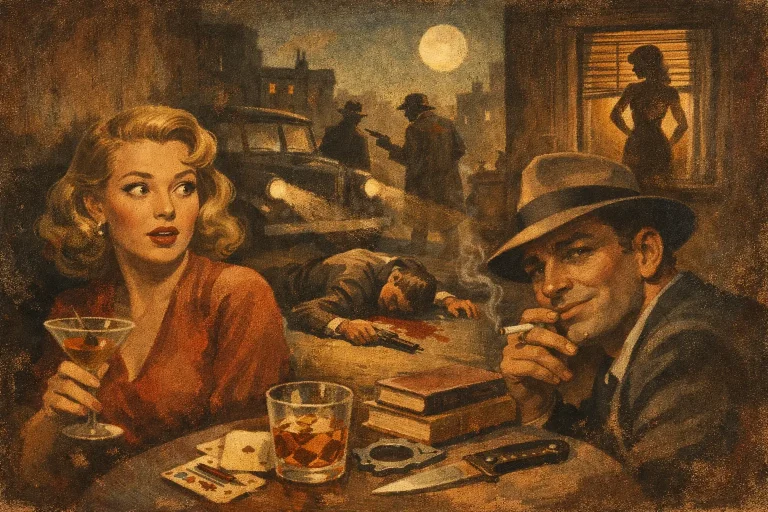
A man sees an easy score. A woman knows better but gets in the car anyway. A cop takes one envelope too many. That is the engine under noir novels: somebody spots a door marked EXIT, walks through it, and discovers the room on the other side has no floor.
Noir is not crime fiction with mood lighting. It is crime fiction after optimism has been pistol-whipped in an alley and relieved of its wallet. The people in these stories do not need to be stupid. Often, they are smart enough to explain precisely why the bad idea will work. That is what makes the crash so satisfying.
Noir Novels Start With a Bad Deal
A traditional mystery usually promises order. A crime occurs, a clever mind works the angles, and the truth gets hauled into daylight. The corpse may be ugly, but the machinery of justice still hums along by the final chapter.
Noir looks at that machinery and notices the blood in the gears.
The central character may be a detective, a small-time operator, a bartender, a salesman, a veteran, a crooked lawyer, or a guy who should have stayed home after work. What matters is not the job title. What matters is pressure. Money is short. A marriage is rotten. A boss has leverage. Somebody beautiful, dangerous, or both makes an offer that sounds just reasonable enough.
Then the deal starts charging interest.
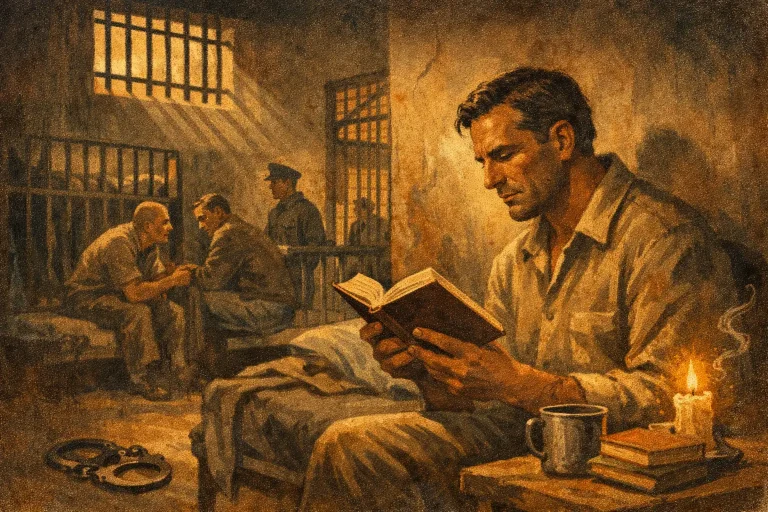
That is why noir works so well when it involves ordinary institutions. A city hall office, a prison, a real estate development, a hospital, a political campaign, a family business – any of them can become a meat grinder once greed and fear get hold of the controls. Noir does not require a grand criminal empire, though it enjoys one. Sometimes the real villain is a zoning board member with a private phone and a cousin who owns a landfill.
The Difference Between Noir and a Crime Novel
The borders are loose, and arguing them too hard is how a perfectly good bar conversation gets ruined. Still, noir has a particular flavor.
Crime fiction is a big neighborhood. It includes police procedurals, heists, courtroom stories, gangster sagas, private-eye tales, domestic suspense, capers, and thrillers. Noir is the house where the lights are off, somebody is crying in the kitchen, and the mortgage is overdue.
A noir protagonist is usually compromised before page one, compromised by page fifty, or about to become compromised in a very educational fashion. He or she may want money, revenge, sex, escape, recognition, or simply one clean shot at starting over. The problem is that noir treats clean starts as suspicious objects.
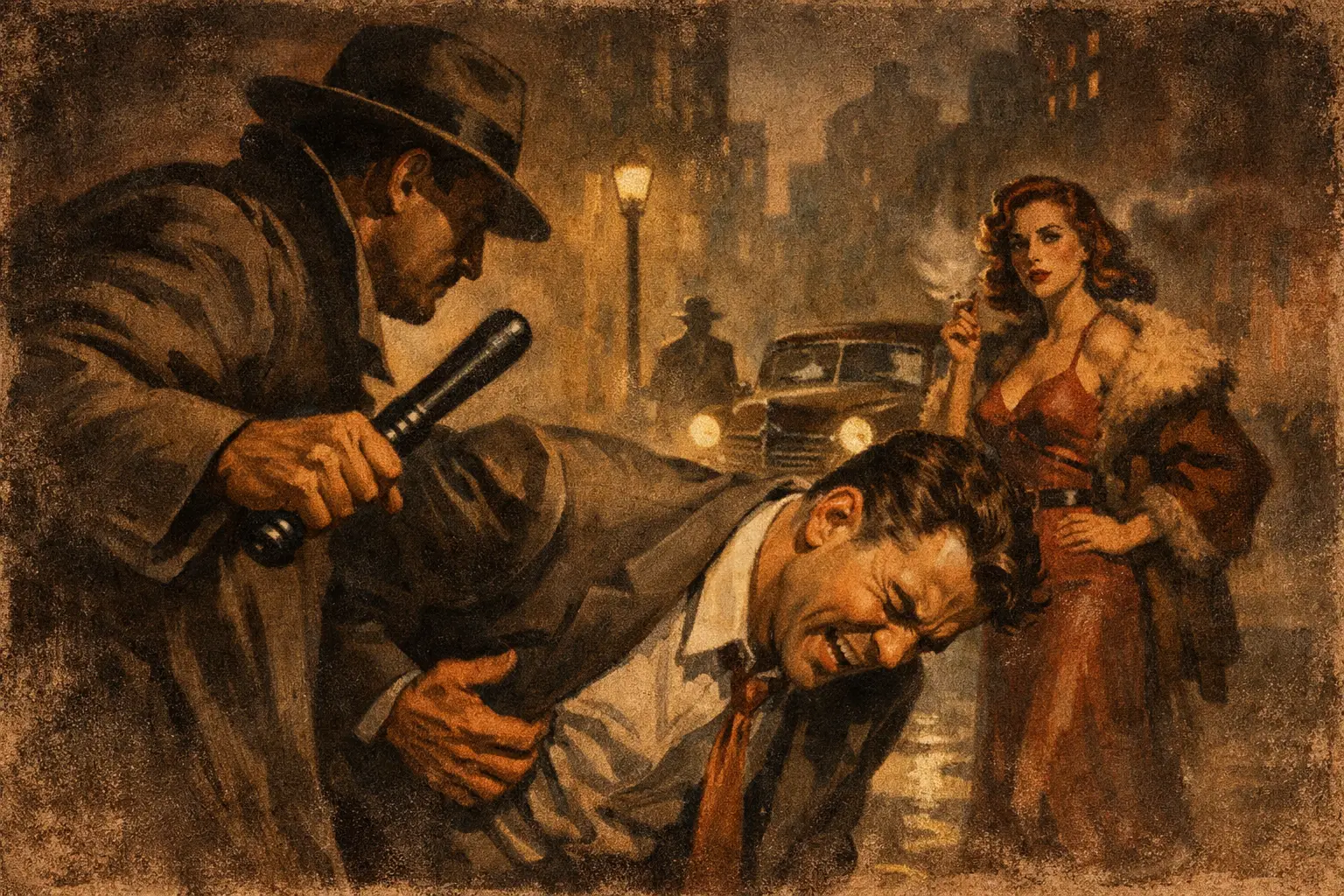
The plot often tightens rather than expands. A small lie requires a second lie. The second lie produces a body. The body brings in people who do not care about excuses. By the end, the protagonist is not solving the problem so much as choosing which limb to sacrifice.
That does not mean every noir novel ends in a graveyard. Some characters survive. A few even get away with it. But noir insists that survival has a price, and the bill is never printed in cheerful colors.
Why the Best Noir Novels Feel So Personal
The gun, the blackmail photo, the suitcase full of cash – those are props. The real weapon is human appetite.
Noir understands that people rarely wreck their lives because they are cartoon monsters. They wreck them because they want something badly enough to ignore the smell coming from the trunk. They tell themselves they are protecting family, collecting what they are owed, making one temporary exception, or taking a shortcut that everybody else would take if given the chance.
That recognition gives noir its nasty little sting. Readers may not know a corrupt sheriff or a nightclub singer with three names, but they know rationalization. They know the feeling of wanting a problem solved before it gets worse. They know that a person can do a rotten thing while still believing he is the only adult in the room.
The best noir writers do not stand on a hill and lecture these characters. They let them talk. They give the liar a sharp line, the thug a practical complaint, the crooked official a pet cause, and the doomed romantic one last argument that almost makes sense. Dialogue matters because noir lives in the gap between what people say and what they are willing to do next.
Humor Belongs in the Crime Scene
Some readers mistake noir for a nonstop rainstorm of misery. Sure, the genre has shadows, cigarettes, cheap rooms, and consequences. But the good stuff is often funny in the way life gets funny when everything is going terribly wrong.
A man hiding a body may still have to answer a call from his mother. A professional killer may be annoyed by parking validation. A crooked developer can deliver a heartfelt speech about community renewal while plotting to turn a neighborhood into luxury storage units for people with too many boats.
Dark humor does not soften the violence. It makes it land harder. People joke under pressure because the alternative is screaming, and a noir character usually has no time for screaming. Elmore Leonard knew this. Carl Hiaasen knows it. George V. Higgins could make a room full of criminals talking business sound like a choir of hustlers trying to expense their own funerals.
The laughs also keep noir from dressing crime up as glamorous. There is nothing romantic about a bad plan once the plan starts leaking. The expensive suit gets stained. The tough guy turns out to have allergies. The mastermind has a brother-in-law who cannot stop talking. Crime is serious business, right up until it becomes ridiculous, which is usually around the time someone reaches for a shovel.
Noir Novels Need Place, Not Wallpaper
A noir setting should have teeth. It cannot just be a generic city with wet pavement and a neon sign that says BAR. The location should shape the pressure on the characters.
Florida gives you heat, swamps, retirees, development scams, hurricanes, and men wearing linen shirts while committing felonies. Los Angeles offers highways, money, image management, and enough real estate poison to fuel several lifetimes of trouble. A rust-belt town can give you shuttered factories, old grudges, local power brokers, and the kind of bar where everybody knows who sold out whom in 1998.
Regional details do not need a travel brochure. A good noir novelist uses the local weather, food, slang, roads, business habits, and resentments as part of the plot. The setting becomes a witness that cannot be bribed, although somebody will probably try.
What Noir Knows About Institutions
Noir has always distrusted official stories. The boss says layoffs are unavoidable. The mayor says the deal will create jobs. The agency says the public is safe. The developer says the contaminated land is being responsibly managed. Somewhere behind those statements, a man is shredding papers with both hands.
That skepticism remains useful because institutions are built from people, and people bring vanity, fear, hunger, and ambition to work with them. Noir does not claim every cop is crooked or every politician is a vampire in a tie. It makes a more uncomfortable claim: systems can reward the wrong behavior so efficiently that decent people become props in somebody else’s racket.
Modern noir has plenty to work with. Biotech fraud, private prisons, political consulting, health panics, predatory development, data harvesting, cartel money, and social media grifts all come preloaded with motive and damage. The trick is not cramming every headline into the story. Pick one pressure point, find the people whose lives it will crush, and let the scheme turn ugly.
How to Find the Right Noir for Your Mood
If you want speed and clean dialogue, look for lean books where the characters spend more time making decisions than explaining their childhoods. If you want a crooked puzzle, choose a private-eye story with a city full of locked doors. If you want the full slow-motion disaster, pick a tale about an ordinary person getting pulled into a scheme too big to control.
It depends on what kind of damage you enjoy. Some noir novels are spare and brutal. Others are sweaty, comic, talky, and packed with human barnacles. Some hit like a blackjack. Others let you laugh for two hundred pages before realizing the joke has been on everybody.
Start with a premise that makes you think, “That cannot possibly end well.” Then follow the character who says, “Relax, I have a plan.” In noir, that is not reassurance. It is the sound of the trap closing.