Hitmen Versus Vigilantes and the Price of Justice
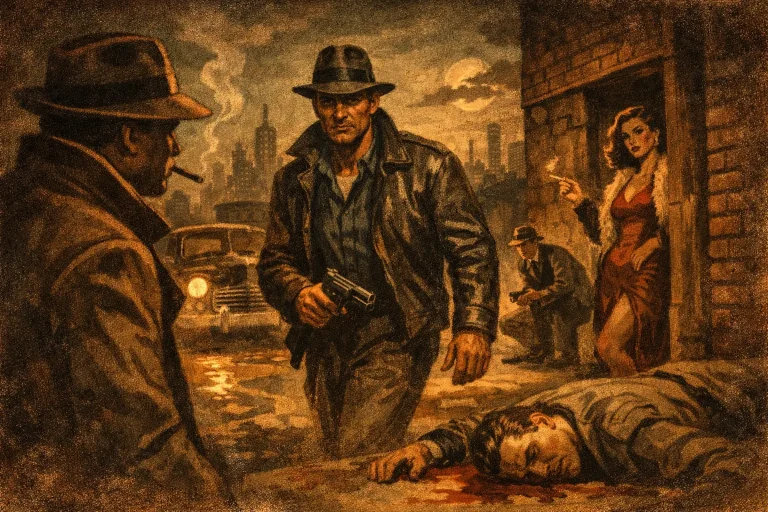
A hitman gets paid to solve a problem nobody wants on the books. A vigilante decides the books are crooked, burns them, and calls it civic duty. That is the engine behind hitmen versus vigilantes in crime fiction: two people willing to use force, separated by motive, self-image, and the size of the lie they tell themselves before breakfast.
Neither one is a hero just because he can shoot straight. That is where the fun starts.
Hitmen Versus Vigilantes: Same Gun, Different Story
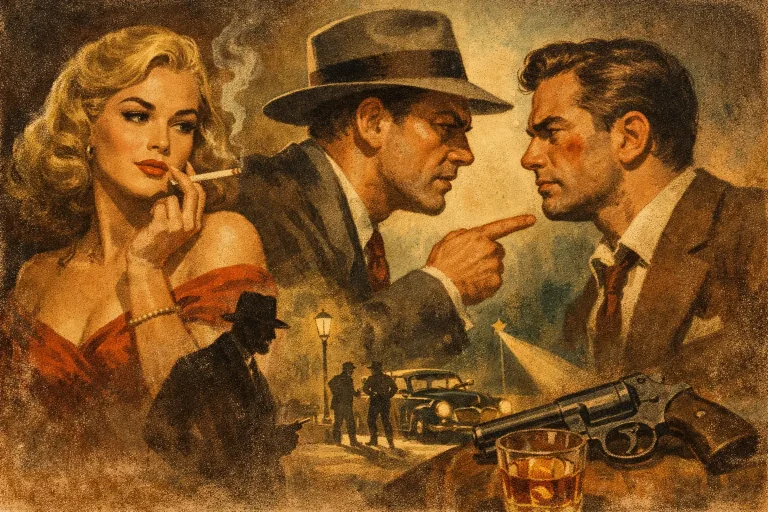
The hitman is a professional. Or at least he claims to be. He has rules, rates, habits, favorite diner booths, and a story about how he never hurts anybody who does not have it coming. This is usually nonsense, but useful nonsense. A killer who thinks of himself as a contractor can sleep at night, at least until the client tries to save money by hiring a second contractor.
A vigilante is more likely to see himself as the cleanup crew. The courts failed. The cops are bought. The landlord poisoned the water, the senator owns the prison, and some local prince with a bodyguard has been turning the neighborhood into a revenue stream. Somebody has to do something. Unfortunately, “somebody” is often a man with a duffel bag, a grievance, and no adult supervision.
The distinction matters because the hitman accepts a rotten system and sells his services to it. The vigilante declares war on the system, then discovers he still needs cash, ammunition, a place to park, and someone willing to lie to the police. Both characters live in moral sewage. One sends an invoice.
That difference gives writers a clean pressure point. A hitman story asks, “How long can a person treat murder like work?” A vigilante story asks, “Who gave this person the right to decide what justice costs?” The answers should get uglier as the story goes on.
The Hitman Knows He Is for Hire
A good fictional hitman is not scary because he is invincible. Invincible people are boring. He is scary because he understands the transaction. He knows the client is worse than he is, the target may not be guilty, and the money will not wash anything clean. He does the job anyway.
That awareness can make him oddly readable. The hitman may have better manners than the politician who hired him. He may keep promises, feed a stray dog, tip the waitress, and refuse to work near children. Those details do not redeem him. They make the rot specific.
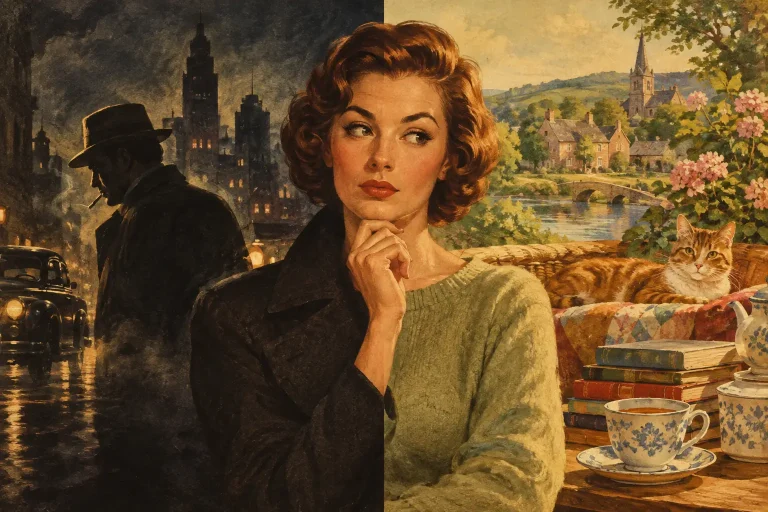
In noir, professionalism is often a costume worn over panic. The careful assassin who plans every exit eventually meets the one variable he cannot control: a target who talks, a partner who drinks, a client with a bigger agenda, or a woman who recognizes his car from somewhere he would rather forget. A man can call himself disciplined right up to the moment he starts improvising in a parking lot at 2 a.m.
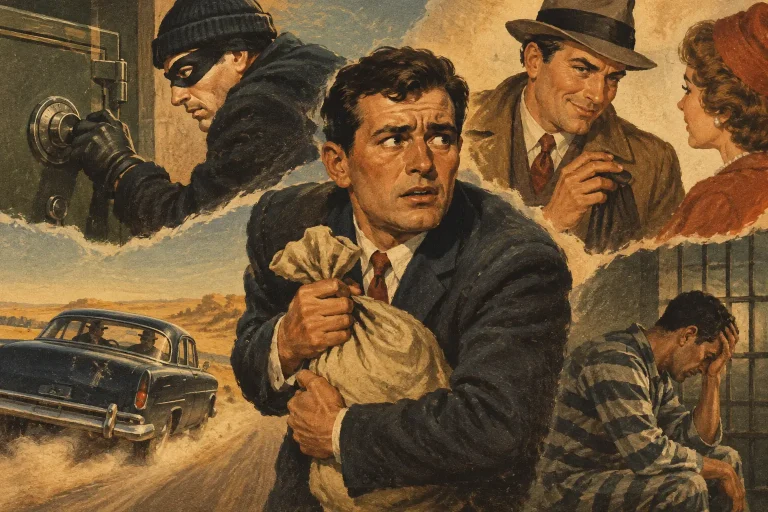
The best hitman plots squeeze the business arrangement until it becomes personal. Maybe the target is innocent. Maybe the employer is setting him up. Maybe the job is connected to a family secret, a prison deal, or a real estate scam with too many bodies under the proposed luxury condos. Once the contract stops being clean, the hitman has to reveal whether he has a conscience or merely a preference for orderly paperwork.
The Vigilante Thinks He Is the Exception
Vigilantes arrive carrying a more dangerous form of confidence. They believe the ordinary rules no longer apply because the situation is extraordinary. Sometimes they are right about the corruption. That is what makes them interesting. If the villain is plainly evil and the vigilante is plainly correct, you do not have noir. You have a revenge vending machine.
Give the vigilante a real grievance. Let the police report disappear. Let the prosecutor shake hands with the developer. Let a victim get mocked, ignored, or priced out of every available remedy. Then let the vigilante make a choice that seems almost defensible.
Almost is the important word.
The moment a vigilante acts outside the law, he becomes vulnerable to the same shortcuts he condemns. He misreads evidence. He believes a rumor because it fits the story in his head. He picks a convenient suspect. He hurts someone adjacent to the guilty party and calls it collateral damage. Before long, the man hunting monsters has become a monster with better publicity.
That descent works especially well in dark comedy. A vigilante may begin by exposing a corrupt judge and end up hiding a kidnapping victim in his cousin’s bait shop because every sensible plan went bad on page thirty. Justice is a noble cause. It is also an excellent way to ruin a perfectly good Thursday.
Why the Collision Works So Well
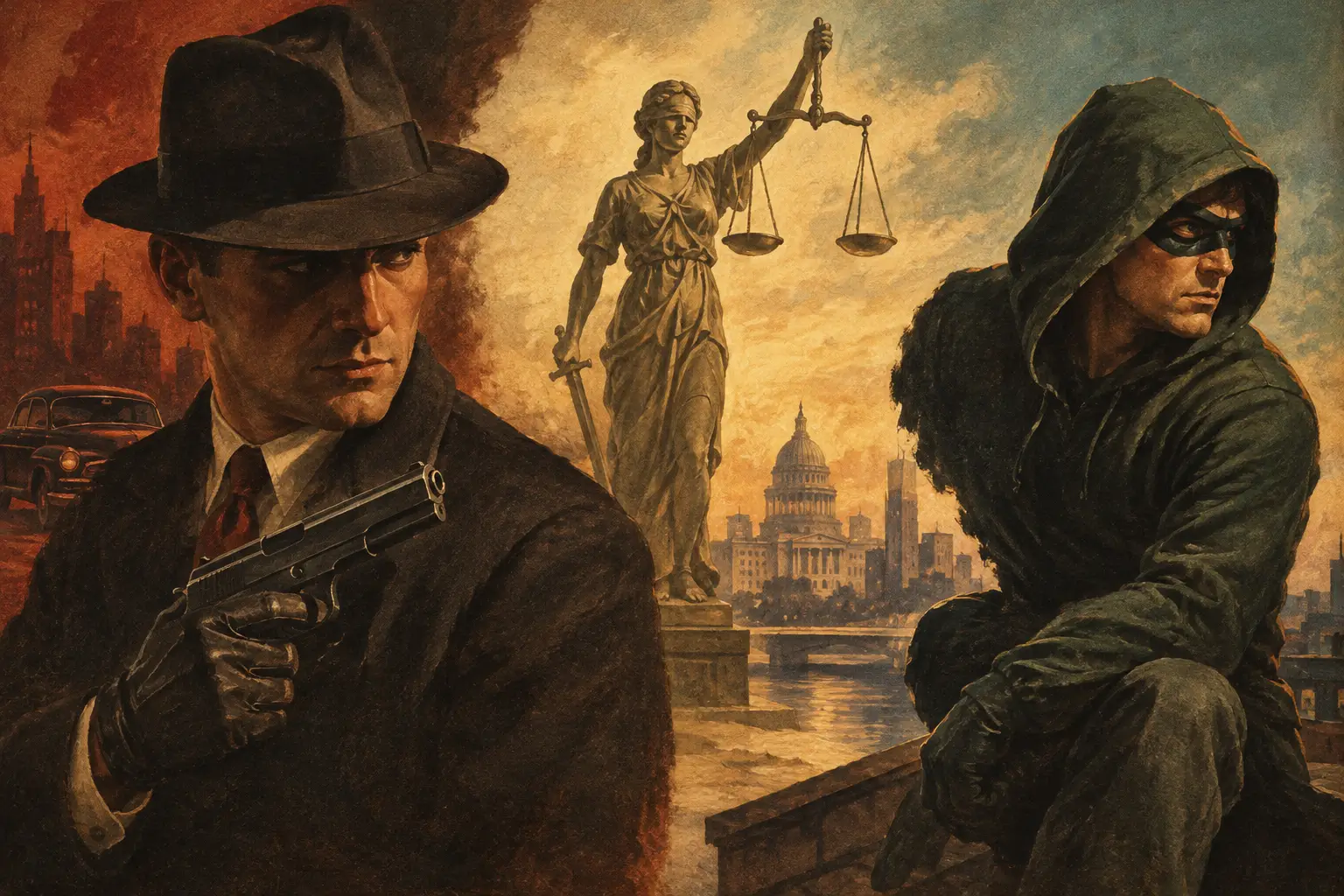
Put a hitman and a vigilante in the same story and you get instant friction. The hitman thinks the vigilante is an amateur with a martyr complex. The vigilante thinks the hitman is a paid coward. Both are correct, which saves everybody time.
Their conflict is strongest when they share a target but want different outcomes. The hitman has been hired to erase a crooked businessman. The vigilante wants the businessman alive long enough to expose the whole operation. The hitman wants to finish the job and disappear. The vigilante wants a public reckoning, preferably before the local news gets distracted by a house fire or a celebrity divorce.
Now every alliance is temporary. They may need each other to survive a cartel, a dirty sheriff, or a private security outfit wearing tactical gear and pretending it is a homeowners association. But their goals cannot stay aligned. One believes justice is whatever survives the transaction. The other believes justice is whatever he can force into the daylight.
That is the real battleground: control of the narrative. The hitman knows people can be bought, threatened, or buried. The vigilante needs people to see. One works in shadows because shadows pay better. The other works in shadows because the lights are controlled by the enemy.
The Law Should Not Be a Cardboard Cutout
Weak crime stories make the law useless so the outlaw can look cool. Better stories make the law compromised, limited, overworked, scared, or captured by people with expensive lawyers. There is a difference.
A detective might be decent but trapped in a department run by careerists. A prosecutor may want the right result but lack evidence that will survive court. A small-town cop may know exactly who is dealing poison out of the marina and also know the dealer’s uncle owns half the county commission. Institutions fail in recognizable, boring, infuriating ways. Nobody needs a secret cabal in matching robes when a zoning board will do.
This is where vigilante fiction earns its bite. The reader should understand why someone loses faith in procedure. But the story should also show why procedure exists. Evidence standards, due process, and ugly slow bureaucracy are not thrilling. Neither is being falsely accused by a guy with a rifle who has decided he is the last honest man in town.
A hitman, meanwhile, exposes another institutional failure: the market always finds a way to serve evil. Somebody will sell muscle, silence, surveillance, legal cover, or a truck with false plates. Crime fiction gets meaner and more believable when violence is not an isolated act of madness but part of an economy.
No Clean Hands, No Easy Exit
Readers do not need a lecture about morality. They need consequences that land with a thud. The hitman who spares a target may create a worse disaster. The vigilante who kills the obvious villain may leave the victims with no evidence, no money, and a fresh pile of trouble. Good intentions are cheap. Cleanup costs extra.
The trick is not to punish characters because they broke rules. The trick is to let their choices produce the kind of damage those choices naturally produce. Trust evaporates. Allies get nervous. Innocent people inherit the mess. A secret that felt righteous at midnight looks different under fluorescent lights with a detective asking simple questions.
Randy Cade-style territory thrives on that kind of trouble: criminals with business plans, respectable people with blood on their shoes, and institutions so crooked they could hide behind a telephone pole. Nobody gets to stay noble for long. But they might stay entertaining.
When writing or reading hitmen and vigilantes, watch the moment each character stops talking about the victim and starts talking about himself. That is usually when the mask slips, the body count rises, and the real story finally walks into the room.