Chicago Mobster Novels With Teeth and Trouble
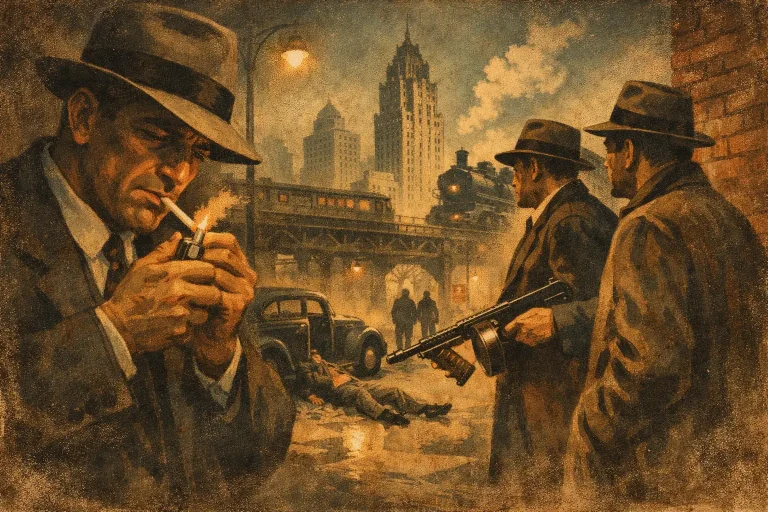
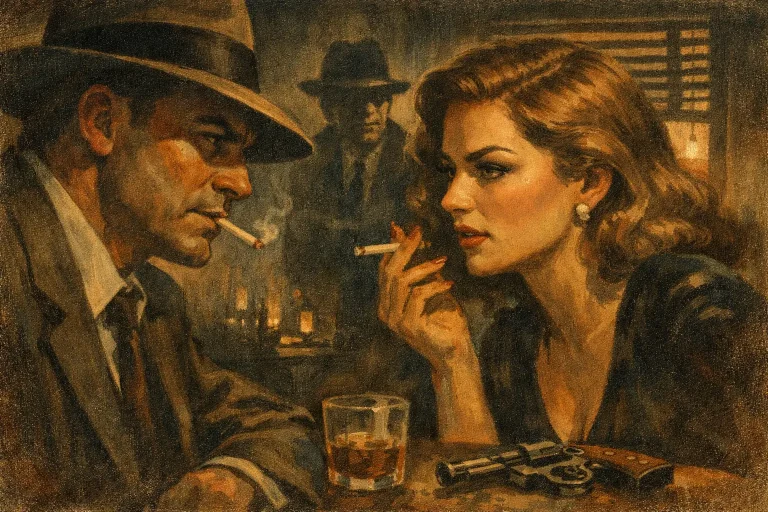
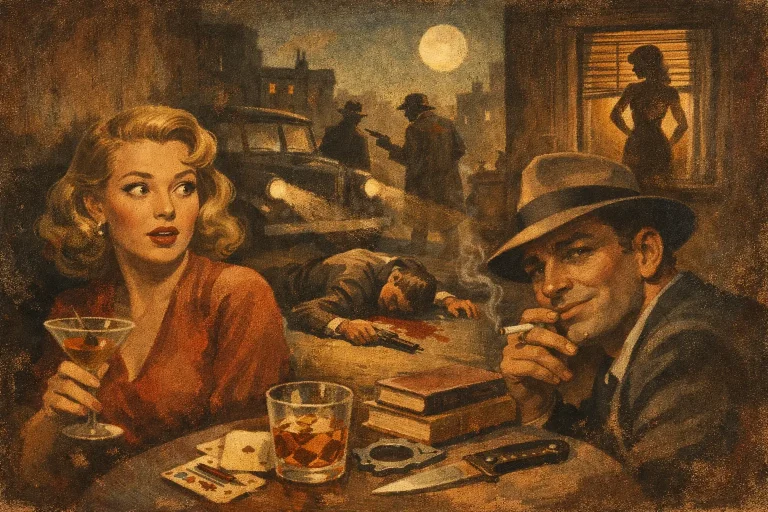
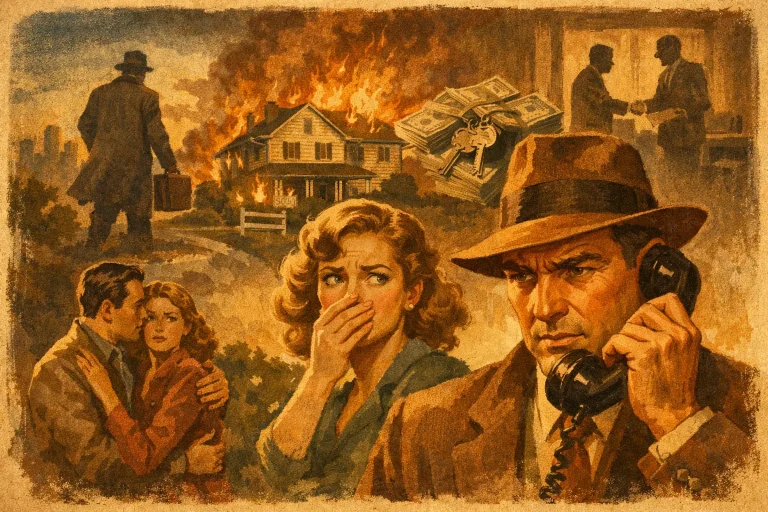
A Chicago mobster novel should smell faintly of burned coffee, wet wool, cheap cologne, and somebody else’s bad decision. The city is not wallpaper. It is the muscle standing behind the muscle. Chicago mobster novels earn their keep when the streets, wards, taverns, unions, precinct houses, and lakefront condos all seem to have a hand in the racket.
That is the trick. Put a gangster in a generic city and he is a guy with a gun and a grievance. Put him in Chicago and he has cousins in politics, a friend at the sanitation yard, a nephew who can get a truck through a blizzard, and three enemies who remember a real estate deal from 1987. The gun still matters. So does the grievance. But now the whole machine has teeth.
What Chicago Mobster Novels Get Right
The best crime stories about Chicago do not worship the old outfits like they are saints in fedoras. That is tourist-brochure stuff. A good mob novel understands that organized crime is mostly organized inconvenience: debts, favors, territorial insults, quiet threats delivered over breakfast, and somebody skimming money badly enough to get noticed.
The violence should feel sudden and expensive. It should create paperwork, panic, retaliation, and the sort of family meeting where everyone insists they are innocent while checking the exits. A body in a trunk is not a plot. It is a bill coming due.
Chicago gives a writer plenty of room for those bills. There is old money hiding behind civic language, new money wearing sneakers, block captains who know exactly who voted twice, developers with polished smiles, and cops who may be honest right up until their kid needs braces. The criminal ecosystem is bigger than the men holding the envelopes. That is why the setting keeps producing stories worth reading.
A crooked alderman can be more frightening than a hired killer because the alderman has permits. A developer can wreck more lives with zoning maps than a gunman can with a revolver. A low-level collector may be the only person in the room with enough conscience to understand that the plan is insane. That mix of power, pettiness, and accidental humanity is where the fun starts.
The City Should Be a Co-Conspirator
Chicago crime fiction works best when geography changes the stakes. The Loop is not the same game as Bridgeport. A deal made in a North Side restaurant carries a different temperature than one made behind a suburban banquet hall or beside a loading dock on the Southwest Side. The lake can look like a postcard at noon and a black threat by midnight. Winter turns every getaway into a practical joke with slush in its shoes.
This does not mean every page needs a street-name roll call. Nobody wants a novel that reads like a GPS having a nervous breakdown. The place needs to come through in the pressure of the scene: traffic that traps a tail, a corner bar where everyone knows the wrong name, a political fundraiser with too many cops pretending not to recognize too many criminals.
Regional realism also keeps the romance under control. The old mob mythology is full of tailored suits, secret handshakes, and clean cinematic exits. Real schemes are often uglier. Somebody’s brother-in-law gets greedy. Somebody forgets a phone is listening. Somebody trusted a man named Little Frankie because he seemed polite. Now there is a missing bag of cash, a ruined wedding, and a dead guy floating where he should not be floating.
That is a Chicago story. Not noble. Not pretty. Usually funny for about six seconds, right before it gets worse.
The Outfit Is Never the Whole Story
A narrow mob story is about captains, soldiers, and the boss at the top. A richer one understands that crime spreads through ordinary institutions because ordinary institutions contain people, and people enjoy money even when it arrives in a suspicious envelope.
The interesting character may be a prison guard looking for a side score, a city inspector with gambling debts, a mortgage broker who thinks he is too smart to get buried by the people financing him, or a nurse whose brother has borrowed from the wrong man. Their choices connect the criminal world to the rest of the city.
That is where the moral mess gets good. Nobody has to be secretly pure. A character can be selfish, scared, hilarious, and brave in the same chapter. He can make the worst possible decision for a reason that almost makes sense. Almost is doing plenty of work there.
Dialogue Carries the Gun
Chicago mobster novels need dialogue with grease under its fingernails. Not fake tough-guy poetry. Not a parade of “see” and “pal” and antique gangster gibberish. People should sound like people who have known each other too long and do not trust each other nearly enough.
The threat is often better when it is indirect. A collector does not need to say he will break your legs. He can ask whether your mother is still using that same pharmacy. A councilman’s fixer does not need to announce corruption. He can explain that the paperwork will be easier if everyone stops being so emotional.
Good dialogue also makes room for laughter, especially when laughter is a bad idea. Elmore Leonard knew that criminals talk nonsense while standing one inch from disaster. George V. Higgins understood the music of a crooked conversation. The lesson is not to imitate either man word for word. It is to let characters reveal their rank, fear, vanity, and desperation through what they avoid saying.
A mobster who gives speeches is usually a bore. A mobster who mispronounces a legal term while trying to ruin a man’s life has possibilities.
No Saints, No Supervillains, No Free Lunch
The genre gets stale when every gangster is a charismatic chess master and every cop is either a choirboy or a fascist with a badge. Real pressure comes from mixed motives. The detective may want justice but also a promotion. The crime boss may protect his neighborhood while poisoning it. The informant may be a rat, a survivor, or both depending on who is asking.
There is also the matter of consequence. A good Chicago crime novel does not confuse brutality with seriousness. Violence has a blast radius. It changes who controls a neighborhood, who gets evicted, who starts lying to their spouse, and who decides the police are no longer an option. If a killing solves everything cleanly, somebody has written a fairy tale with blood on it.
That does not mean every book must end in a rainstorm with everyone miserable. Dark comedy belongs here. So does a crooked escape. So does the rare moment when a fool gets lucky. But luck should feel like a stolen car: useful for a while, hard to park, and definitely not yours.
Why the Best Stories Keep Moving
The strongest Chicago mob tales do not stop to admire their own grit. They move. A small debt turns into a kidnapping. A zoning scam opens an old murder case. A favor for a cousin becomes a war between men who cannot remember why they started hating each other, only that quitting would look bad.
The plot should tighten like a wire, but the characters need room to make things worse in personal ways. That is the pulp bargain: speed, danger, sharp talk, and enough local grime to make the reader check the locks without getting a lecture about municipal history.
If you are looking for Chicago mobster novels, look past the fedora display case. Find the books where the city has a memory, every favor has a hook in it, and the funny line lands just before the car goes through the guardrail. That is where Chicago keeps its best secrets – usually in a basement, under a bad business, guarded by a guy who swears this will all be handled by Friday.