A Crime Novel Guide for Readers Who Like Trouble
A good crime novel starts with somebody making a choice they should have left alone. Take the envelope. Open the trunk. Meet the stranger behind the strip mall. Put the body in the wrong car. This crime novel guide is for readers who know the fun begins when a simple bad decision finds friends, relatives, cops, lawyers, and a guy named Mook who has access to a backhoe.
Crime fiction is a big neighborhood. Some houses have polished brass numbers and Swedish detectives staring at snow. Others have a busted porch light, a bail bondsman with a gambling problem, and blood on the welcome mat. None of that is a complaint. The trick is knowing what kind of trouble you want before you open the book.
Crime Novel Guide: Pick Your Poison
The first question is not, “Is it good?” That comes later, after the double-cross, the misplaced gun, and the guy who says he is retired but owns three burner phones. Ask what kind of ride you want.
A classic detective story is built around a question. Who killed the victim? Why? How did the poison get into the gin fizz when everyone was standing in the kitchen? The pleasure is in watching a sharp investigator pull a thread until a whole room full of liars comes apart. These books reward attention. They are for nights when you want clues, logic, and a solution that clicks into place like a handcuff.
Hardboiled crime fiction is meaner and usually faster. The detective may be smart, but he is also tired, underpaid, and one bad remark away from getting hit with a tire iron. The city matters. So does the bar, the cheap office, the local politician with a new tan, and the cop who somehow knows where everybody sleeps. Read hardboiled when you want voice, atmosphere, and a hero who understands that doing the right thing may get him shot anyway.
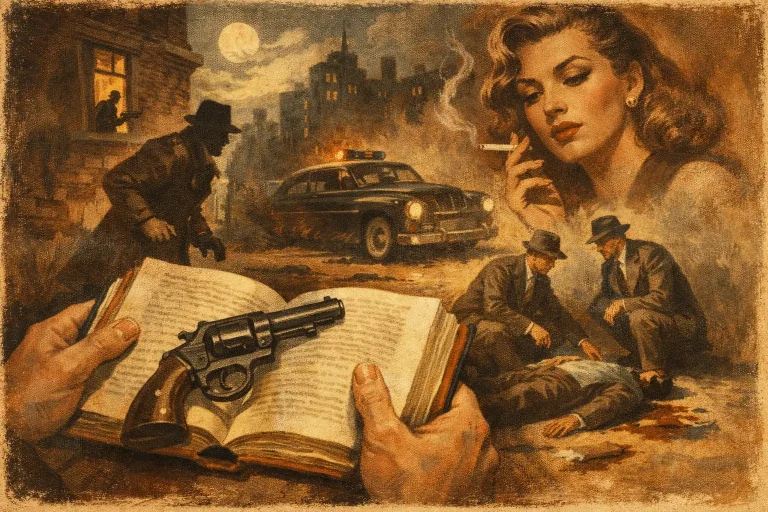
Noir takes a different route. In noir, the main character is often not investigating the disaster. He is causing it, stumbling into it, or getting used by somebody much better dressed. A noir protagonist sees the cliff, hears the warning, and drives off it because the passenger has nice eyes and a suitcase full of cash. The ending may not be happy. It does not have to be. Noir is about appetite, weakness, and consequences arriving in a black sedan.
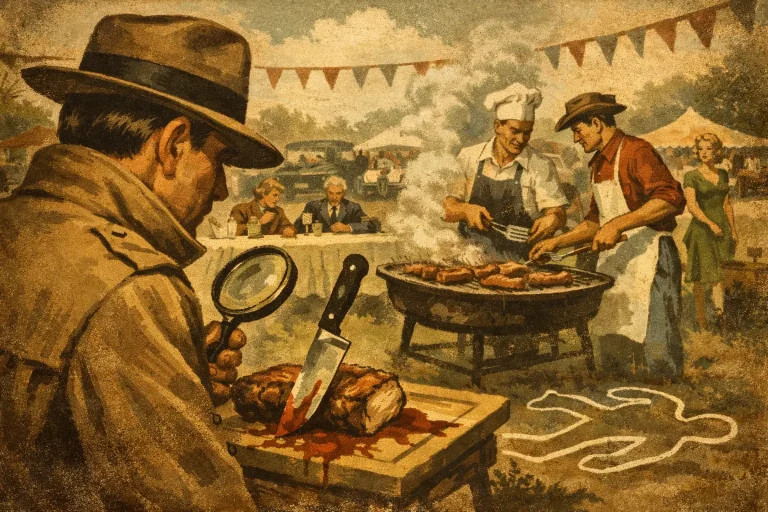
Then there is the crime caper. This is where the plan is clever, the crew is questionable, and every useful object becomes evidence by chapter twelve. A caper can be funny without becoming soft. The laughs come from incompetence, greed, bad timing, and the fact that criminals are still people. They argue about snacks during a kidnapping. They bring the wrong bag to a drop. They trust a cousin who sells fake concert tickets out of a tanning salon. If you like velocity and chaos, start here.
The crime thriller turns the screws tighter. There may be an assassin, cartel, corrupt agency, biological nightmare, prison break, or political operation with a budget larger than a small town. The question is less “Who did it?” than “Can anybody stop it before the bodies stack up?” Thrillers work best when the big threat still feels personal. A government conspiracy is fine. A government conspiracy that wants your kid, your house, or the one witness you failed to protect is better.
Follow the Voice Before the Body Count
Readers sometimes shop crime fiction by premise alone. Serial killer? Sold. Mob boss? Sure. Missing wife? Put it in the cart. Premise matters, but voice is what keeps you in the passenger seat after the first mile.
Elmore Leonard could make a conversation about sandwiches feel armed. George V. Higgins knew that a roomful of criminals talking business could reveal more danger than a chase scene. Carl Hiaasen turned Florida corruption into a sunburned carnival of greed. John D. MacDonald gave crime stories a moral hangover that lasted longer than the liquor. Their plots move, but their people talk like they have bills to pay and grudges to settle.
Listen for dialogue that does not sound like it came out of a brochure for law enforcement. Real criminals do not explain their entire operation because the reader needs context. Real cops do not always speak in clipped television slogans. Real people interrupt, bluff, change the subject, lie badly, lie beautifully, and remember a twenty-year insult at the worst possible moment.
A sharp crime novel trusts you to catch up. It gives you enough information to worry, then lets the characters make the situation worse. That is the good stuff.
Decide How Dark You Want the Room
Crime fiction has a wide tolerance for violence. One book may leave the worst thing off-page and let the aftermath do the damage. Another may put you in the room, hand you a flashlight, and make you regret having a strong stomach. Neither approach is automatically tougher. What matters is whether the violence has weight.
A useful rule: violence should change the temperature of the story. It should create fear, pressure, guilt, retaliation, or a terrible practical problem. If a character gets beaten, someone has to deal with the hospital, the cops, the lost leverage, or the angry brother with a shotgun. If a murder happens, the room should not reset by the next chapter like a cheap action movie.
Humor belongs here too. In fact, it often belongs most when things get ugly. Dark comedy is not a hall pass for cruelty. It is a way to show how people survive absurdity. A crooked developer giving a motivational speech while federal agents raid the buffet line can be funny because the man is ridiculous, not because the damage he caused vanished.
If you want bleak and fatalistic, go noir. If you want ugly material with a crooked grin, seek pulp crime and satirical thrillers. If you prefer danger without spending the evening staring into the abyss, a mystery or caper may be your better bet. There is no prize for reading the nastiest book in the pile.
Place Is an Accomplice
The best crime novels do not happen in generic darkness. They happen somewhere specific enough to smell.
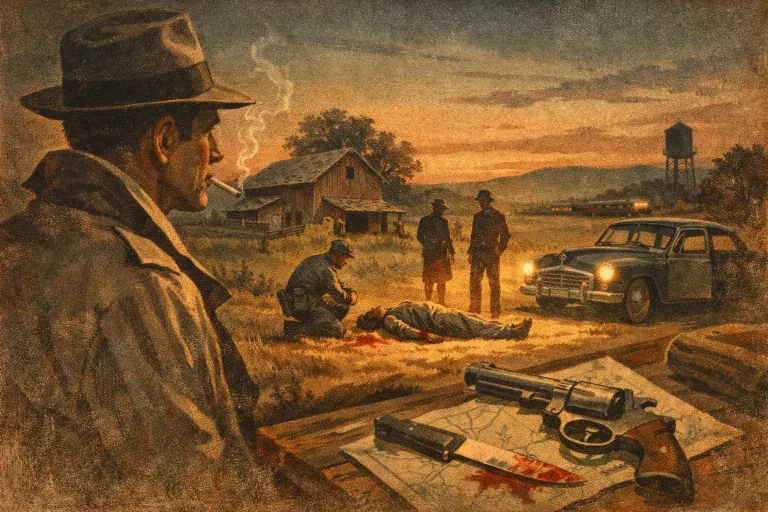
Florida crime should have heat, money washing through strange channels, invasive creatures, retirees, tourists, and real estate scams that sound too dumb to work until they do. Los Angeles needs freeways, vanity, old money, new fraud, and neighborhoods that change block by block. A Western crime story needs distance, weather, land disputes, bad blood, and the terrible certainty that help is forty miles away.
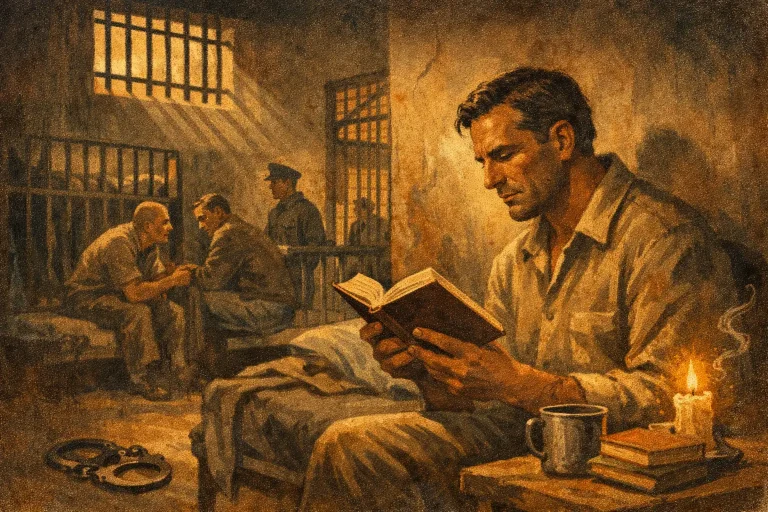
Regional detail is more than local color. It explains what people want and what they can get away with. A small-town sheriff may know every secret but lack the manpower to act. A big-city fixer may have contacts everywhere and loyalty nowhere. A prison story has its own weather system: favors, routines, surveillance, boredom, and violence that can start over a sentence spoken too loudly.
When choosing a book, notice whether the setting feels like an accomplice. If the story could happen anywhere without changing a word, it may be missing a useful weapon.
What Makes a Criminal Worth Reading?
You do not have to like a criminal protagonist. You do have to understand the engine under the hood. Greed is fine. Fear is fine. Revenge is a classic for a reason. But the best bad decisions come with a personal logic.
Maybe the guy steals because he cannot stand being treated like hired help. Maybe the woman takes the payoff because she spent ten years watching honest people get nothing. Maybe the assassin has rules, and the problem is that rules are expensive when the client wants results. The character does not need to be noble. Noble can be a little dull. They need to be alive enough that their mistakes make brutal sense.
Watch for stories where everybody is slick, brilliant, and unbothered. Real pressure reveals foolishness. Somebody forgets a detail. Somebody drinks too much. Somebody falls in love at precisely the wrong time. Somebody brings a gun to a meeting and discovers he is not the only one with that idea.
Read for the Scheme, Stay for the Fallout
A crime plot needs a scheme, even if the scheme is only survival. The cleanest stories make the arrangement clear early: steal this, hide that, find him, kill her, get across the state line before sunrise. Then the author starts tossing wrenches into the machinery.
The best reversals are not random trapdoors. They grow out of character. The partner betrays you because he was always a coward. The witness lies because she has more to lose than you knew. The detective gets played because he wanted the easy answer. When the turn comes, you should feel surprised and slightly annoyed that you did not see it coming. That is fair play with a dirty smile.
Do not worry if a book gets messy. Crime is messy. Plans get revised in parking lots. Evidence gets dropped in mud. A corpse becomes a scheduling issue. What matters is whether the mess keeps tightening the trap.
Pick the crime novel that promises the kind of trouble you want, then give it fifty pages to prove it has teeth. If the dialogue crackles, the setting has fingerprints, and somebody is already one mistake from a shallow grave, you are in good hands. Just do not trust anybody offering to help with the shovel.