Finding Gallows Humor Fiction That Bites Back
A corpse in a trunk is not automatically funny. A corpse in a trunk while two small-time crooks argue about whether the dead guy still owes them gas money? Now you may be finding gallows humor fiction worth your time.
The good stuff does not slap a wisecrack onto a murder scene and call it dark comedy. It lets humor seep out of pressure, stupidity, greed, fear, and the awful fact that people will worry about the carpet while a criminal enterprise catches fire around them. The laugh should not make violence cute. It should make the world feel more honest, more crooked, and a little more dangerous.
For readers who like noir, crime, horror, Westerns, and political satire with a mean grin, the hunt can be frustrating. Plenty of books promise “darkly funny” and deliver a serial killer with a pun habit. Here is how to spot fiction with actual gallows humor – the kind that knows a funeral is a bad place to tell a joke, which is exactly why somebody is going to tell one.
What gallows humor fiction is really doing
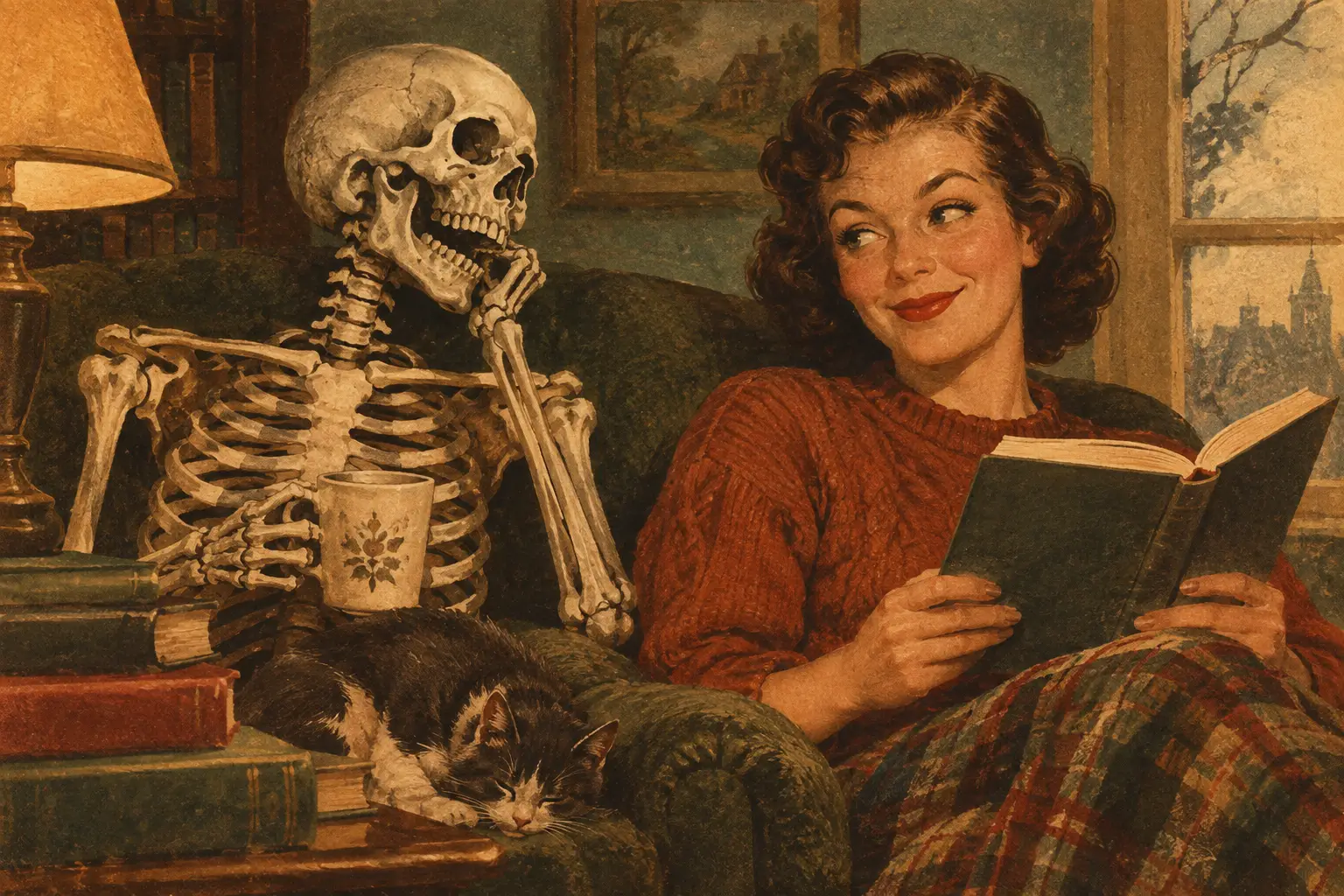
Gallows humor is not comedy with blood on the wallpaper. It is comedy created by the blood on the wallpaper. Characters use a joke to stay upright when the situation has become too ugly, too absurd, or too far beyond repair for normal human language.
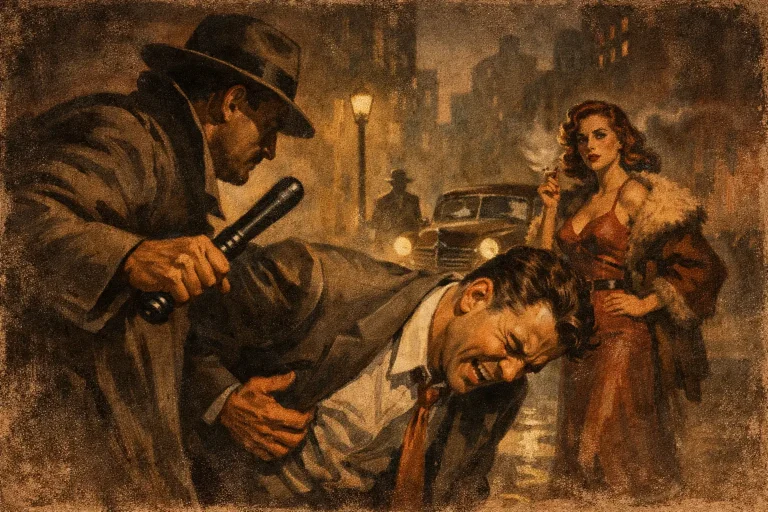
That is why crime fiction is such fertile ground for it. Criminals are always trying to impose business logic on chaos. A guy can plan a flawless robbery, then lose the whole operation because his cousin brought a gun, a dog, and an opinion. Cops, politicians, prison officials, developers, killers, and corporate fixers all make excellent comic targets because they often speak with absolute confidence while doing something monumentally dumb.
The humor also exposes moral rot. A corrupt mayor might call a body count “an unfortunate optics issue.” A hired killer might have standards about punctuality but none about killing witnesses. The laugh comes with a bruise under it. If the joke lets everyone off the hook, it is probably not gallows humor. If it makes the hook sharper, you are getting warmer.
Finding gallows humor fiction by its pressure points
Forget labels for a minute. Publishers use “dark,” “edgy,” and “twisted” the way a used-car lot uses “low mileage.” Look for the machinery underneath the pitch.
A promising book usually puts ordinary human concerns beside severe consequences. Someone worries about rent, a divorce, a bad suit, a missing lunch, or a reputation while murder, blackmail, a prison riot, or a biological disaster is unfolding. The contrast gives the story its voltage. Nobody has to announce that things are absurd. The characters prove it by treating catastrophe like an inconvenient meeting scheduled before happy hour.
Dialogue matters just as much. Gallows humor fiction lives or dies by voices that sound like people with something to hide. The jokes should be tossed off, defensive, badly timed, or used as a weapon. Elmore Leonard understood that a line can reveal cowardice, vanity, lust, and criminal incompetence all at once. George V. Higgins knew that a room full of men discussing a payoff could be more suspenseful than a car chase, especially when every man in the room believes he is the smartest one.
Also watch for escalation. A good darkly comic plot rarely stays tidy. A small scam becomes a kidnapping. A local real estate hustle pulls in city hall. A deadbeat turns out to have mob ties, federal secrets, or a freezer full of evidence. The fun is not that bad things happen. The fun is that every attempt to fix the problem manufactures a worse problem.
Start with the neighborhoods you already read
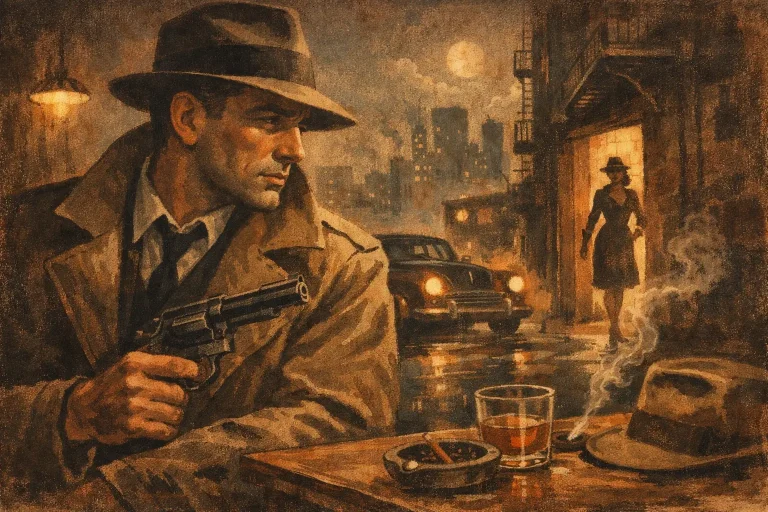
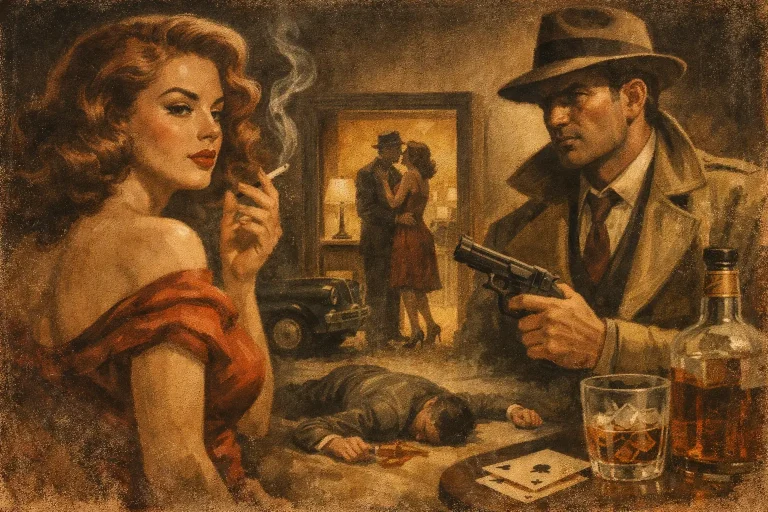
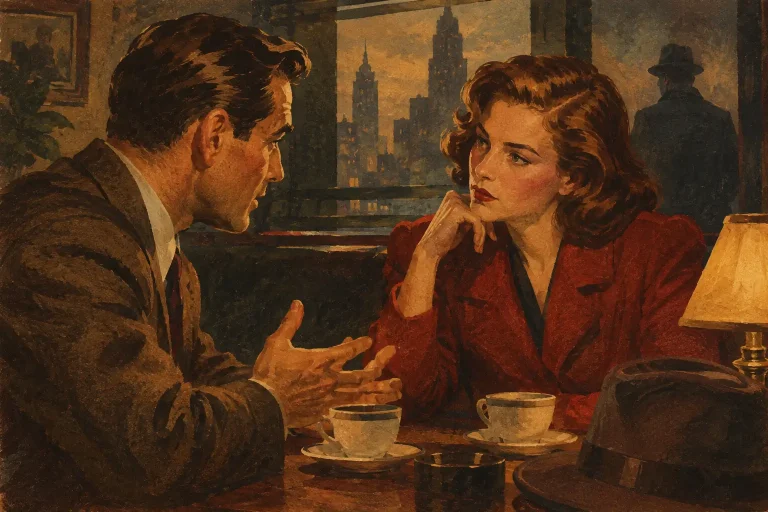
If you are coming from classic noir, look for stories where lowlifes, cops, hustlers, and respectable crooks are trapped by money and bad judgment. The best noir gallows humor is dry, not goofy. It knows the man holding the gun may be less scary than the man handling the paperwork.
If you lean toward Florida crime, Carl Hiaasen is an obvious route. His brand of outrage turns development schemes, political corruption, environmental vandalism, and rich-person stupidity into a parade of deserved disasters. The tone is broader than hardboiled noir, but the anger is real. The joke is often aimed at somebody who has confused power with immunity.
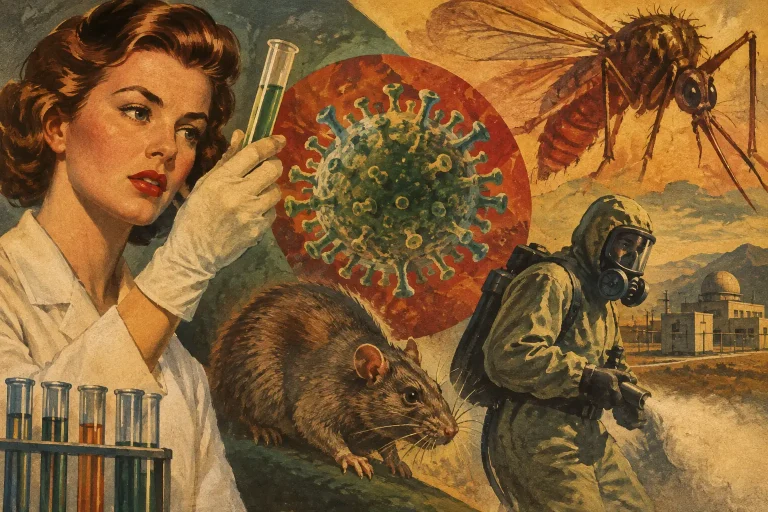
Horror readers should seek stories where the grotesque is treated with a straight face and a sideways grin. Body horror, backwoods menace, cults, contaminated medicine, and things growing where they should not grow can all work beautifully when characters respond with credible panic and terrible judgment. The line is thin here. If the book is only trying to gross you out, it may be horror. If it makes you laugh and then feel vaguely guilty for doing it, it may be the real deal.
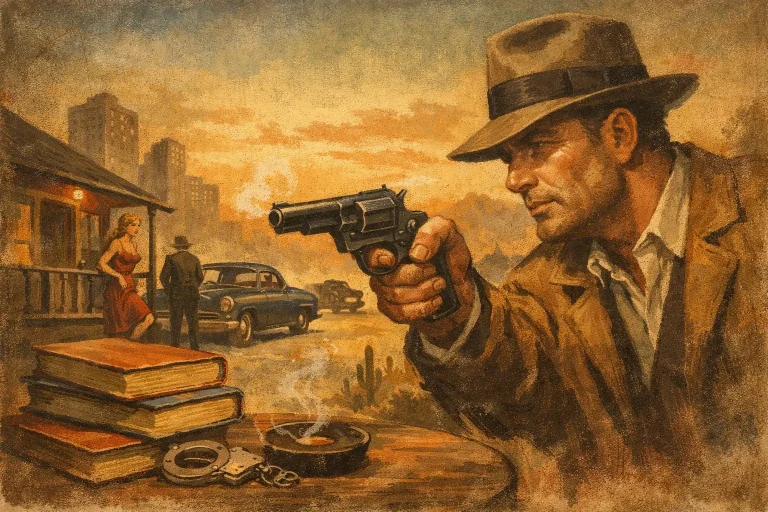
Westerns offer their own version. Put desperate men in a town with one saloon, one jail, no water, and several grudges, then wait. The humor in a dark Western often comes from blunt survival math. Nobody is noble because nobody can afford to be. A funeral, a poker game, and a hanging can all compete for the same afternoon.
Political satire is another strong hunting ground, especially when it refuses to turn every villain into a genius. Institutions are often funniest when they are staffed by careerists, true believers, petty tyrants, and panicked cowards protecting a system that has already started chewing through the walls.
Read the premise, not the promise
When browsing descriptions, look for concrete trouble. “A disgraced doctor hides a mistake.” “A prison guard sells a dead man’s secret.” “An assassin takes a job from the wrong developer.” “A county official needs a missing witness found before the ribbon-cutting.” These setups have legs because they create competing agendas.
Be cautious when the description only promises an “unforgettable antihero” or “a shocking descent into darkness.” That may mean the book has atmosphere but no engine. Gallows humor needs friction. Somebody must want something stupid, dangerous, or impossible, and somebody else needs to make that want expensive.
Short fiction can be particularly good for the search. A sharp story can put two idiots in a motel room with a duffel bag and get to the point before the reader has time to check the locks. Collections are also useful because they reveal whether a writer can find fresh angles on the same ugly human impulses: greed, revenge, lust, pride, fear, and the belief that one more lie will straighten everything out.
The trade-off: funny is not always funny enough
Not every reader wants the same dose. Some books keep the comedy low and dry, using one brutal line every few chapters. Others build their whole world around comic catastrophe. Neither approach is automatically better.
If you want menace first, favor hardboiled crime and bleak noir. The laughs will be sparse, but they may land harder because the story has earned them. If you want absurdity turned up loud, crime satire and horror-comedy may suit you better. Just know that a book can lose bite when every character sounds like they are auditioning for the same sarcastic podcast.
The best writers vary the temperature. They let a scene get frightening before cracking the joke. They let a fool be funny until his foolishness gets someone killed. They let a villain say something ridiculous, then demonstrate that he is still a villain. That balance keeps the story from becoming either a lecture with punch lines or a cartoon with a body count.
A simple test before you commit
Read a sample and listen for the rhythm. Does the dialogue have edges? Do people interrupt, dodge, threaten, flatter, and lie in ways that sound distinct? Does the setting feel like a real place with bad zoning, worse weather, and somebody dangerous behind the counter?
Then ask one question: if you removed the jokes, would the story still have consequences? If the answer is yes, you may have found a book with real teeth. The comedy is there because these characters are trapped in a world that does not care about their plans, not because the author is afraid to take anything seriously.
That is the shelf worth raiding. Find the books where the schemes are crooked, the institutions are worse, and the punch line arrives with mud on its boots. Just do not expect anybody at the crime scene to apologize for the smell.