Why Short Crime Story Collections Hit So Hard
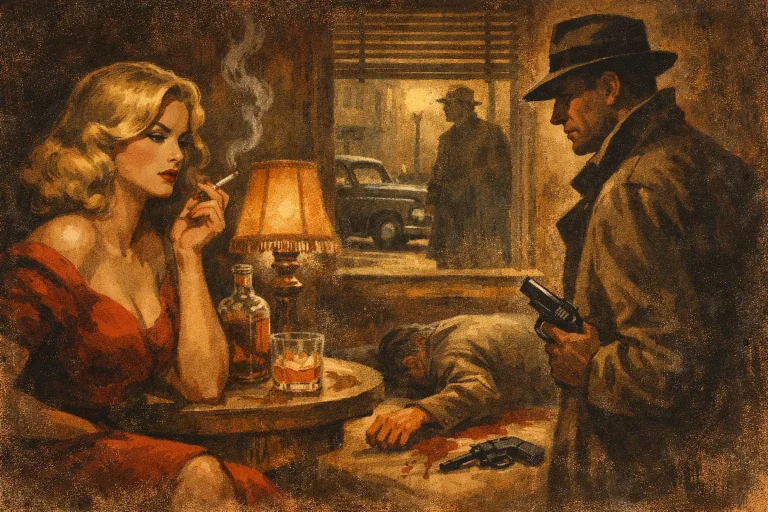
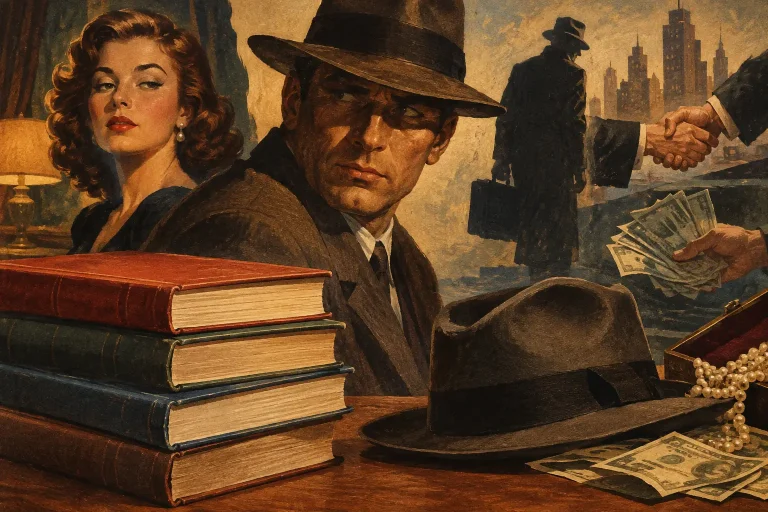
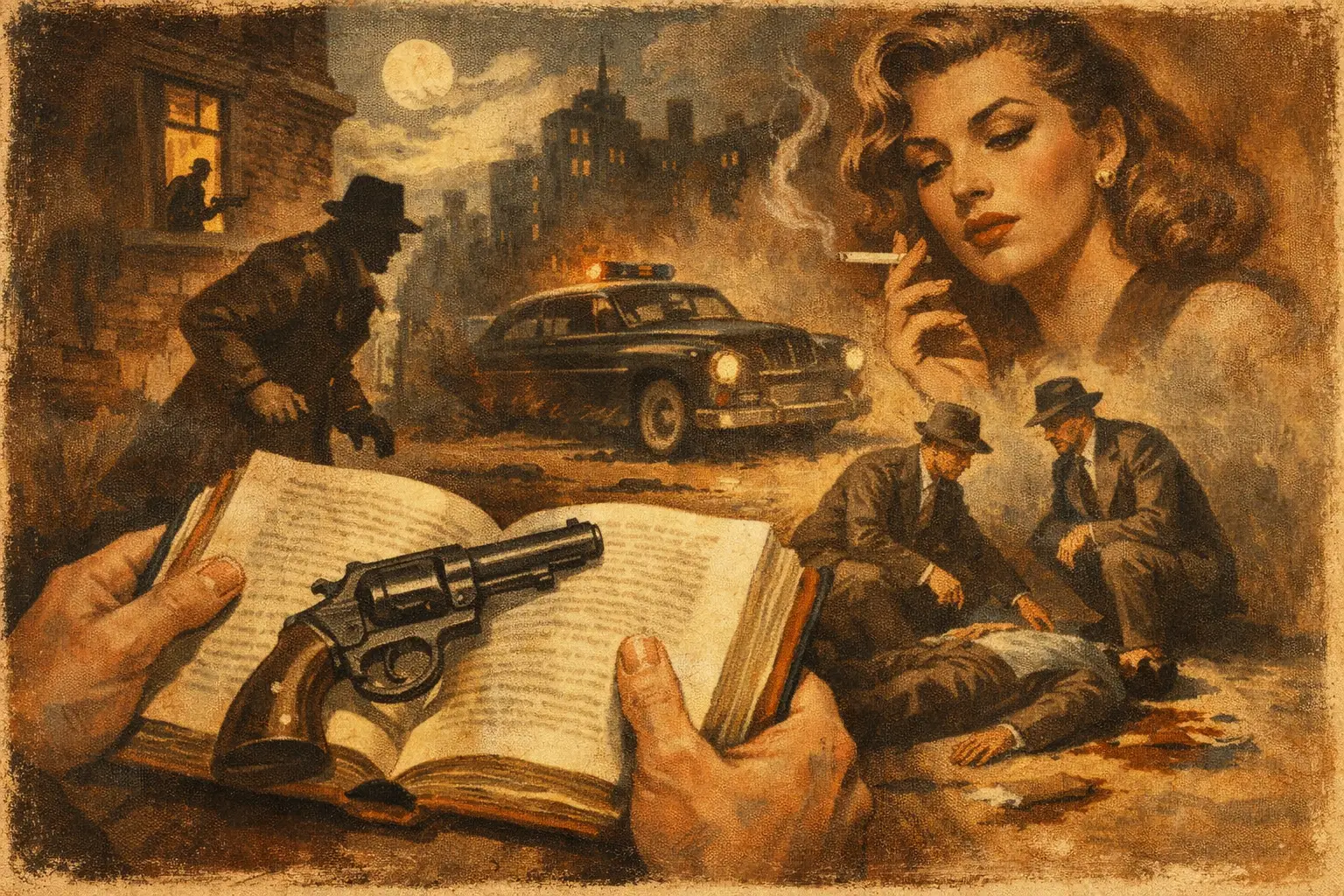
A good crime novel gives a crook enough rope to ruin his whole life. A good short story gives him half a page, a bad alibi, and a trunk that will not stay shut. That is the dirty little pleasure of short crime story collections: no waiting around for the detective to admire the rain on a windowpane. Somebody wants money, somebody has made a mistake, and the bill is already coming due.
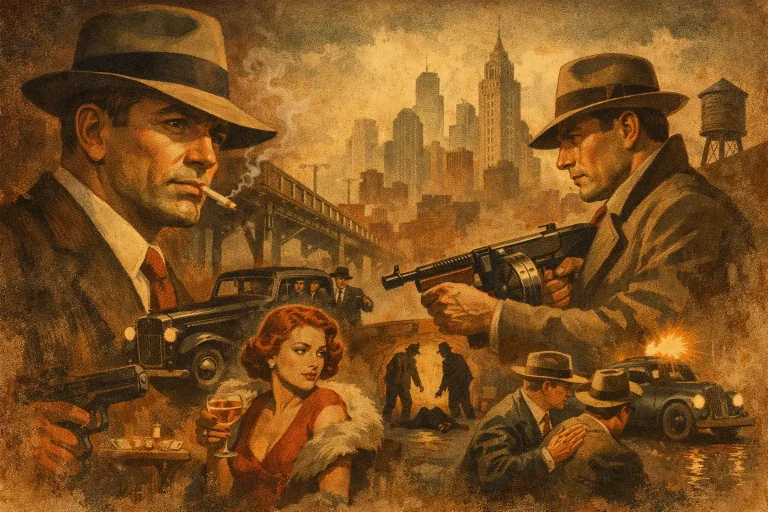
For readers who like Elmore Leonard’s talkers, George V. Higgins’s lowlifes, Carl Hiaasen’s Florida lunatics, or John D. MacDonald’s sunlit corruption, the form offers a concentrated dose of the good stuff. Fast setups. Bad judgment. Regional oddballs. A punch line that may involve a shovel.
Crime Has Always Liked a Fast Getaway
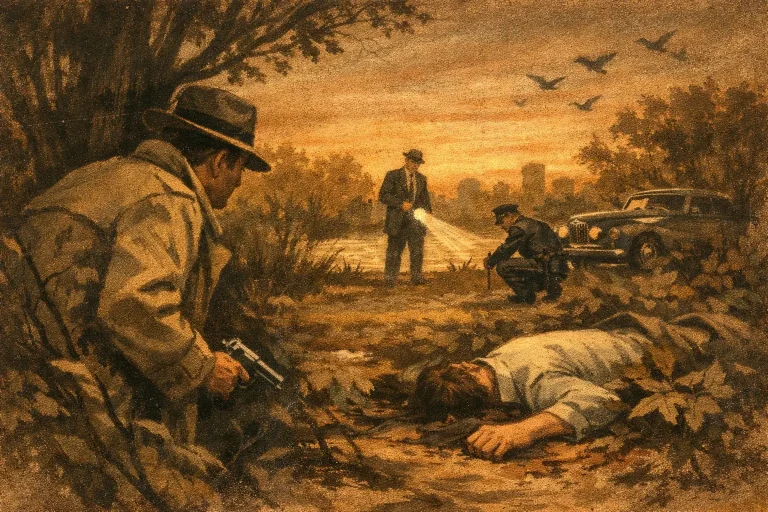
Crime fiction works beautifully at short length because criminal behavior rarely begins with a five-year plan. It begins with a bad phone call, a nervous man in a parking lot, a wife who knows too much, or a local official who thinks nobody reads the invoices. The best stories catch the scheme at the moment it starts to wobble.
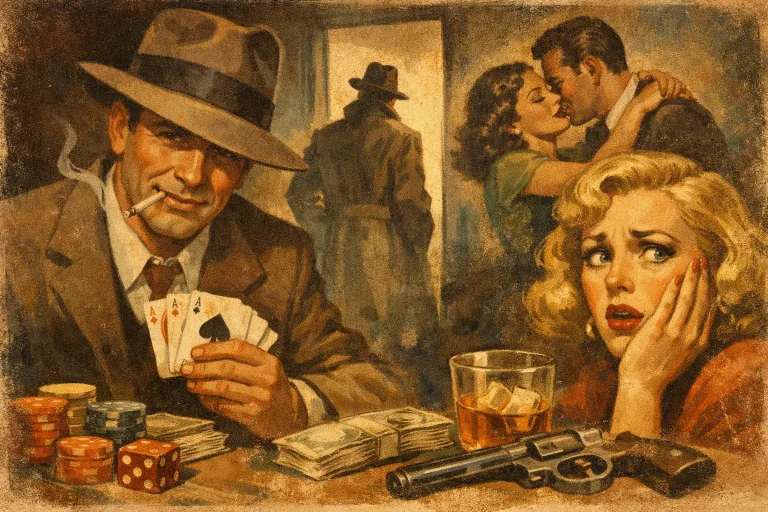
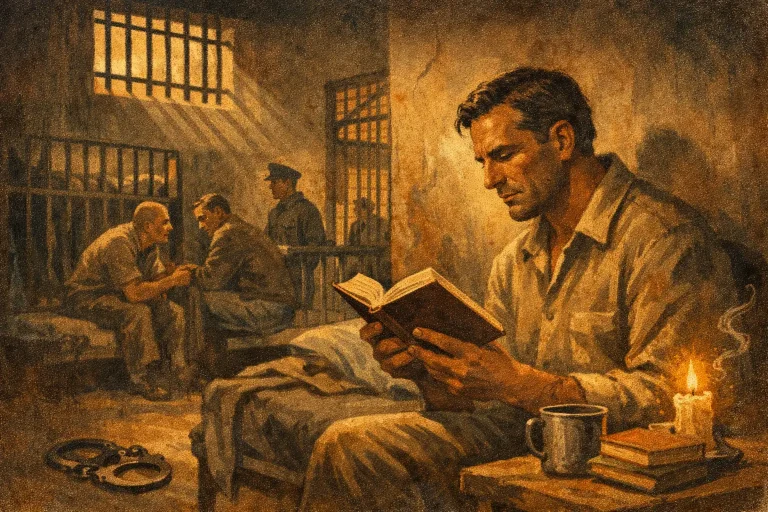
A collection can move from a backroom card game to a prison transfer bus, then take a hard turn into a suburban real estate hustle or a biotech nightmare. Each story gets in, causes trouble, and gets out before the furniture has time to develop feelings. That variety matters. One story might be a lean hitman tale; the next might feature a crooked mayor, a petulant cartel lieutenant, and a missing cooler nobody should open.
The short form also gives writers permission to be meaner. Not cruel for its own sake. Mean in the old pulp sense: consequences arrive quickly, vanity gets people killed, and the guy explaining his brilliant plan has probably overlooked the woman standing behind him with a tire iron.
What Makes Short Crime Story Collections Worth Your Time?
The answer is not simply that they are quick reads. Plenty of quick reads feel like a sandwich made mostly of air. A worthwhile crime collection leaves a mark because every story has a job to do.
First, it needs a clean engine. The reader should understand what somebody wants, what blocks them, and why the situation is getting worse. That does not require a neat moral lesson or a detective announcing the truth beneath a streetlamp. It requires pressure. The characters must have something to lose, even if what they are trying to save is a lousy boat, a bag of cash, or the last shred of their dignity.
Second, it needs dialogue with teeth. Crime people explain themselves badly, lie casually, threaten indirectly, and often say the funniest thing in the room without meaning to. A cop may be bored. A killer may be picky about breakfast. A businessman laundering money through a bogus development may insist he is only creating opportunity. Let them talk long enough and they will hand you the knife.
Third, the ending has to earn its violence, irony, or surprise. A twist is not a story. A twist is what happens when the story has built enough tension to snap. The best endings feel both inevitable and rude. You see the trap a second too late, which is exactly when it does the most damage.
The Collection Is the Secret Weapon
A novel asks for a commitment. Sometimes that is exactly what a reader wants: a long ride through a criminal empire, a murder investigation, or a town with rot under every porch. But sometimes you have twenty minutes before bed, a lunch break, or a flight delay with an airport bar nearby making poor decisions look reasonable.
That is where short fiction earns its keep. You can finish a complete crime story in one sitting without receiving a lesser experience. In fact, the limited space often makes it more potent. There is no room for ornamental fog. Every name, object, and offhand remark might be evidence, leverage, or the thing that blows up later.
Collections also let readers sample different flavors of trouble. Some people want straight noir: desperation, betrayal, and a city that chews up the hopeful. Others want a crime story with a crooked grin, where the criminal mastermind is derailed by a cousin, a chihuahua, or a zoning board. Horror-inflected crime belongs here too. Put a body in the wrong basement, add a medical experiment with a budget problem, and suddenly the sheriff’s department has paperwork nobody trained for.
The trade-off is simple. A short story cannot always provide the deep, slow accumulation of a novel. You may not live with a character long enough to learn every scar on his soul. But a sharp writer can show you the scar that matters. One bad decision, one line of dialogue, one ugly compromise – that can be plenty.
How to Pick a Crime Collection That Won’t Waste Your Night
Start with the promise on the page. If the description sounds like it was written by a parole board, move along. Crime fiction should tell you what kind of mess is waiting: murder, fraud, prison, political rot, hired guns, bad marriages, worse business partners. You are not looking for a polite brochure.
Then consider the range. A collection built around one character or one place can create a satisfying sense of return, like revisiting a bar where everyone owes someone money. A broader collection can be more unpredictable, hopping between regions, crimes, and tones. Neither approach wins automatically. It depends whether you want a connected criminal universe or a loaded jukebox of separate disasters.
Pay attention to voice. The best genre writers do not decorate violence with fancy curtains. They make the people sound alive. A desperate man should not speak like a graduate seminar. A corrupt official should not sound like a comic-book villain unless he is supposed to be funny. The dialogue ought to carry class, place, ego, fear, and the occasional spectacular lie.
Finally, look for consequences. A story about criminals is not interesting merely because a crime occurs. The crime needs to reveal character. Who panics? Who bargains? Who thinks he is smarter than everybody else? And who turns out to be right, which can be worse?
Why the Funny Stuff Makes the Dark Stuff Darker
Humor is not a softener in crime fiction. Used properly, it is a blade.
The deadpan joke after a terrible discovery does not make the discovery less terrible. It makes the people more believable. Human beings crack jokes in hospitals, courtrooms, squad cars, and funerals because the alternative is screaming until somebody calls security. Criminals do it because bravado is cheaper than therapy and usually easier to steal.
That is why the best blackly comic crime stories can turn a bureaucratic nightmare into a body count without losing their nerve. A city inspector taking a payoff, a developer selling swamp as destiny, a public-health official hiding something in a locked file cabinet – these are funny until they are not. The laughter catches in your throat. Good. That means the story landed.
Randy Cade Books works in that nasty little intersection where schemes, violence, institutions, and absurdity start feeding each other. The point is never to make crime glamorous. The point is to watch people justify the unjustifiable, then discover the universe has an ugly sense of timing.
Read Them Like a Burglar Checks a House
Do not race through a collection just because the stories are short. Give each one a minute after the final line. Crime fiction often hides its best move in plain sight: the harmless remark, the weird object on a desk, the person nobody bothered to question. Let the story settle before you grab the next one.
And if one tale leaves you laughing at something you probably should not laugh at, followed by a brief concern about your own moral condition, you picked well. Keep reading. There is always another door, another deal, and another fool certain he can get away with it.